


International transport
Customs & quarantine.
Clearing borders without putting your work at risk.
Overview
Paperwork is part of the protection.
Every international move crosses two checkpoints: customs and biosecurity. A delay at either can leave art waiting in a terminal, or opened by people who are not trained art handlers.
- Coverage
- In and out of Australia, from every country
- Documentation
- Import and export paperwork prepared by our International Team
- Tarmac
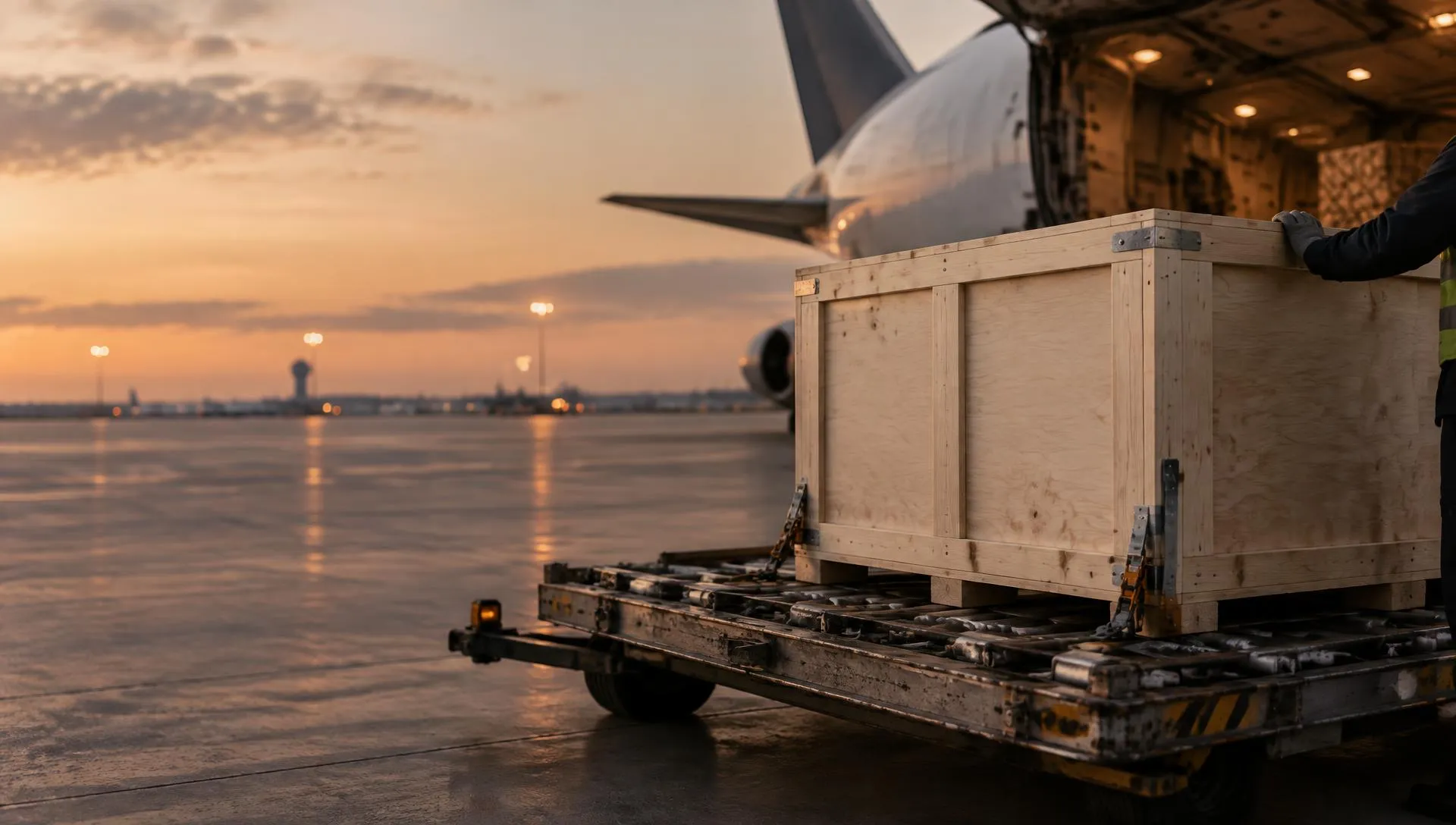
- ASIC-accredited team at every major Australian airport
- Crates
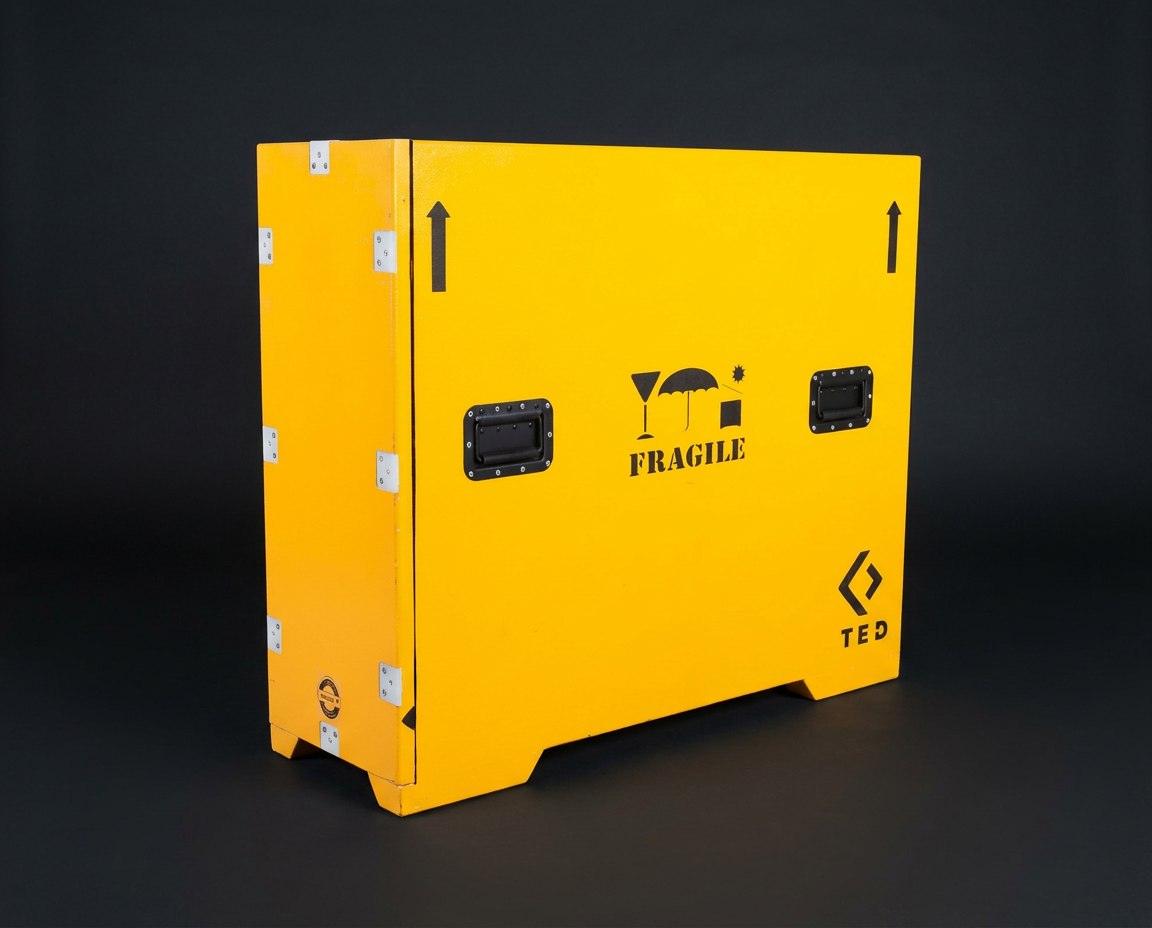
- ISPM15 certified, built and stamped in-house by T.E.D.
What we manage
Two checkpoints, one team.
Customs clearance
We prepare import and export documentation for permanent and temporary movements, including carnets for works that travel and return. We advise on duties and taxes before the shipment moves, so budgets hold and nothing is held at the border.
Biosecurity
We arrange quarantine inspections and any required treatments and supervise them in person. Our handlers open, present and repack the works, so they are only handled by trained staff.
Certified crates
Why your crate needs a stamp.
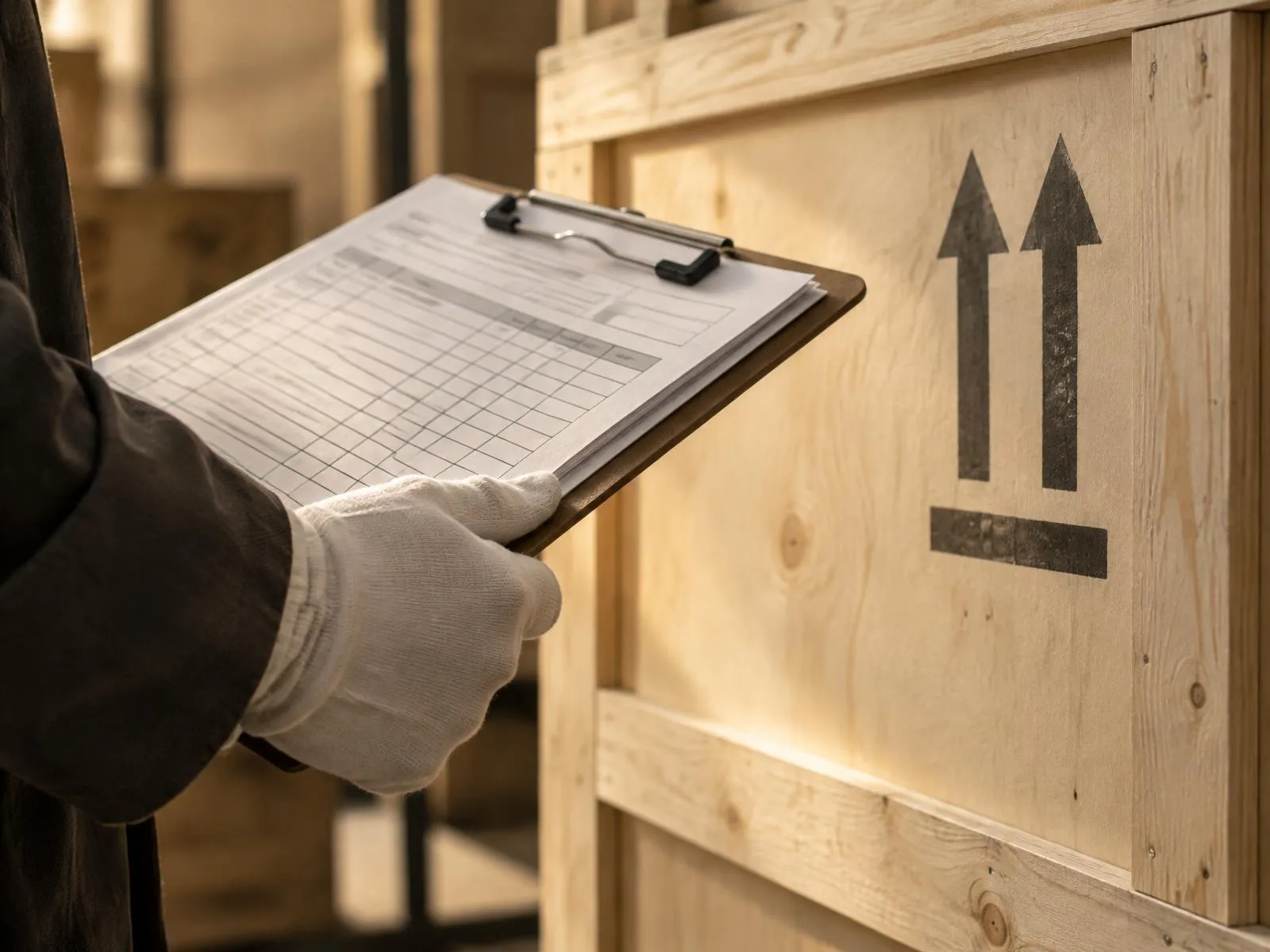
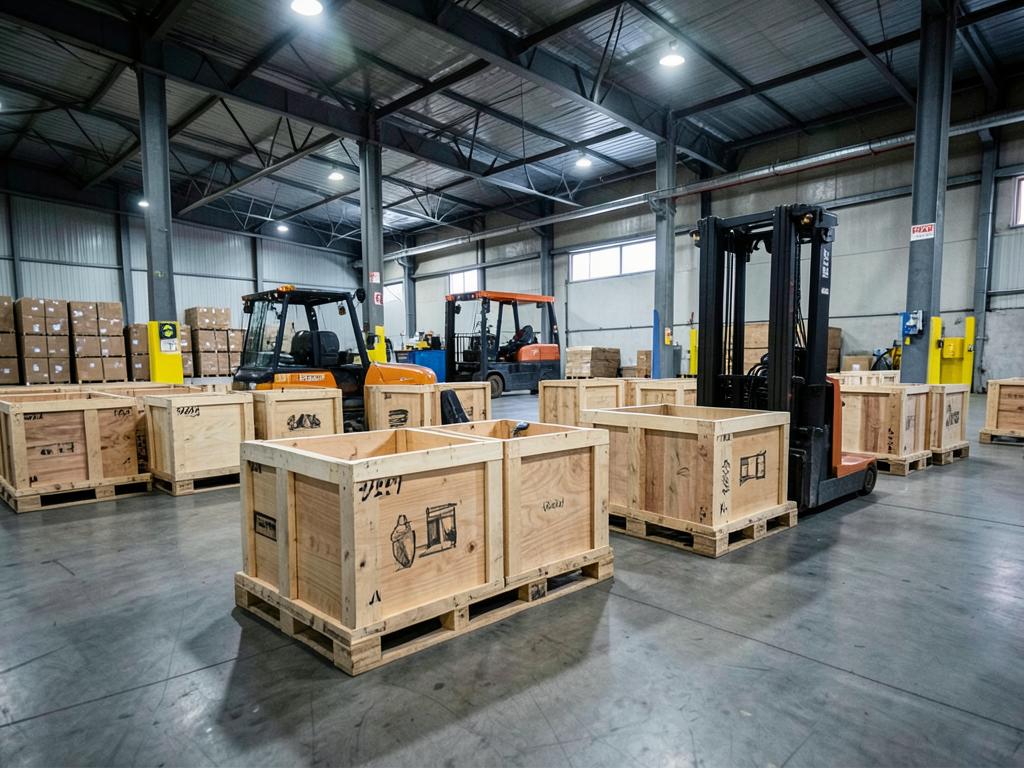
Timber crates travelling overseas must be built by an ISPM15 compliant, certified manufacturer for quarantine purposes.
Without certification
Non-compliant crates can be refused entry and returned, put through compulsory quarantine treatment, or destroyed, with the costs at the shipper's expense.
How it works
Five steps, border to wall.
- 01
Pre-shipment review
We confirm dates, origin, destination and values, list the documents required and estimate duties and taxes.
- 02
Certified packing
T.E.D. builds and stamps ISPM15 compliant crates, or checks incoming crates meet requirements.
- 03
Documentation
Import and export documents, permits and carnets are prepared ahead of the move.
- 04
Airport supervision
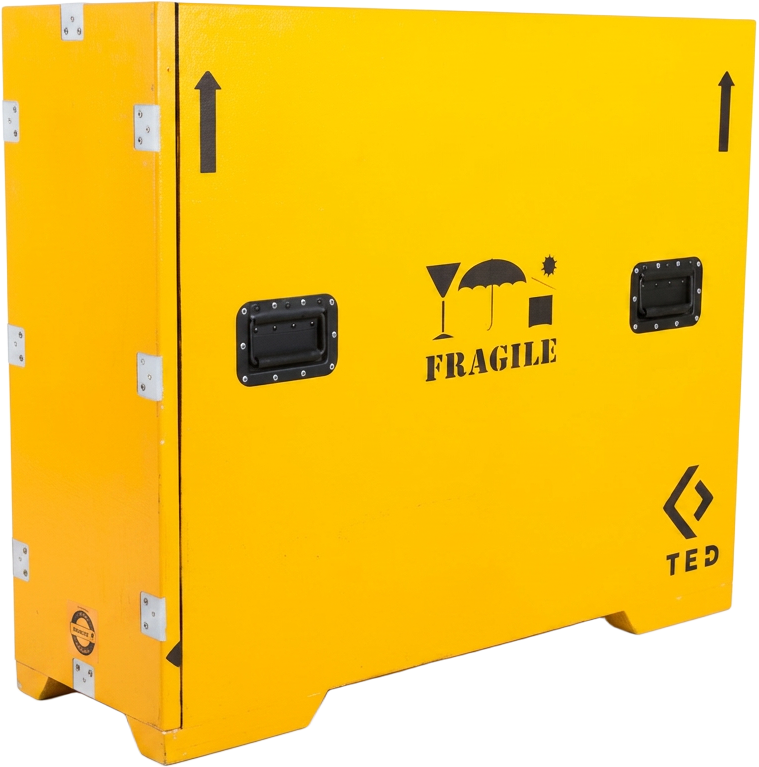
Our ASIC-accredited team supervises loading and unloading on the tarmac.
- 05
Inspection and release
Inspections are supervised by IAS, then works continue on our climate-controlled fleet.
ASIC
Tarmac access at every major Australian airport
ISPM15
Crates certified and stamped in-house
AWPCS
T.E.D. is a registered manufacturer
Global
Trusted partners in every major art centre
FAQ
Frequent questions.
Yes. They must be built by an ISPM15 compliant, certified manufacturer. T.E.D. Fine Art is AWPCS registered and stamps compliant crates in-house.
It may be refused entry and returned, put through compulsory quarantine treatment or destroyed, at the shipper's expense.
Yes, as part of planning every international move.
Yes. Every member of our international team holds an Aviation Security Identification Card (ASIC), giving tarmac access at every major Australian airport.
Insuring individual works is the owner's responsibility. If required, we can arrange cover through our licensed insurance broker.
All of them, through our trusted partner network.
Related services
The rest of the journey
Few consignments involve a single service. Most begin with a crate, cross a border, pause in climate-controlled storage and end on a gallery wall. Explore the parts of that chain we also handle.

Contacts
Speak with the right office
If you'd like to know more, please contact the relevant IAS professionals listed below:
Request a quote